


Allure Of Diamonds
A lot of things have to happen and a very long way has to be traveled by carbon before it becomes a diamond: It's very similar to our work. Each design starts as a raw idea, undergoing countless stages of refinement, craftsmanship, and dedication.
Like the transformation of carbon into a diamond, we focus on shaping and perfecting every detail until it becomes something truly extraordinary, truly exceptional—timeless, valuable, and beautiful.
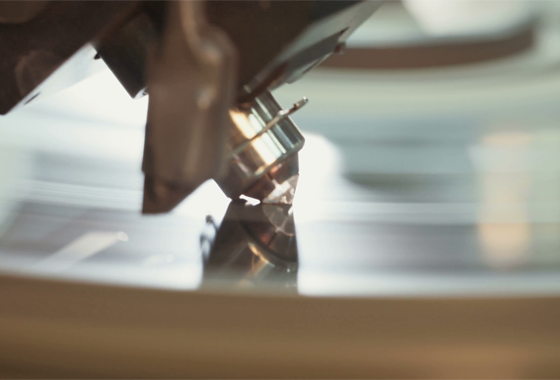
Cut Cut isn’t only about shape. The way a diamond is cut can affect its clarity, and even its color.
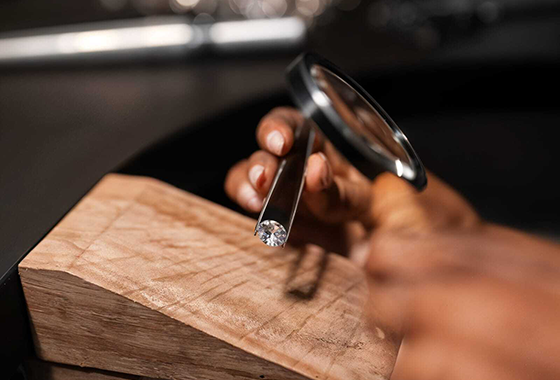
Clarity Clarity is one of the four value factors (4Cs) that describe and determine the value of a finished diamond. Its classic definition is a gemstone’s relative freedom from inclusions and blemishes.
The Color
Diamonds are graded for color on a scale from D (colorless) to Z (light yellow or brown). The less color a diamond has, the higher its color grade. But when diamonds display more intense colors (such as blue, pink, or green), they are classified as fancy color diamonds and are graded separately based on hue, tone, and saturation, with "fancy" indicating a noticeable color.
Carat
Bigger is better—and costs more, right? As far as diamonds go, that’s often the case. A large diamond is much more rare and valuable than a small one. But this is only true if all other value factors are equal. In some cases, bigger doesn’t always mean more expensive.
A large diamond is extremely rare, but so is a diamond with top clarity or one with the highest color grade. Very few diamonds possess all three, and those usually demand the best possible cut.

Nothing is shining brightly as our diamonds